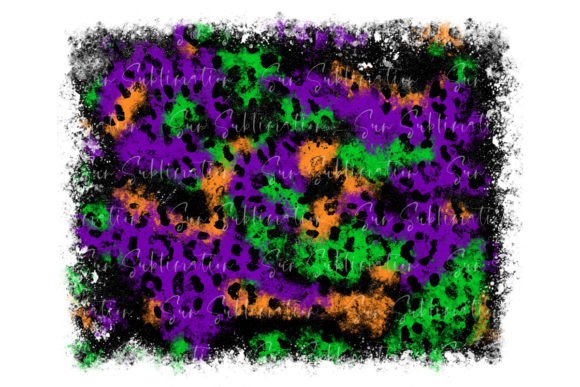
Neon Halloween Background Png,Spider Net Review
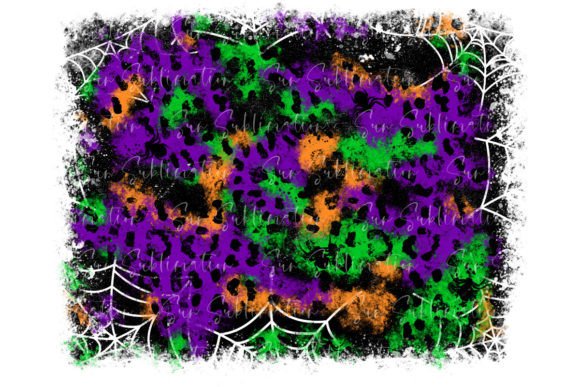
As a designer who spends more time staring at stitch previews than most people care to admit, I approach new design assets with a mix of excitement and skepticism. When I first pulled up the Neon Halloween Background Png,Spider Net, my initial reaction was purely visual. The concept is undeniably striking: a high-contrast, glowing aesthetic that screams modern spooky season. However, my brain immediately shifted from "art director" mode to "machine operator" mode. The product description explicitly states this is a PNG graphic intended for sublimation on items like mugs and tumblers, noting clearly that it is not an SVG. This distinction is critical for us embroidery professionals. While this file shines as a printed graphic, using it as a foundation for a machine embroidery design requires a specific workflow and a realistic understanding of its limitations.
The Visual Mood and Design Personality
The first thing that stands out about this Graphics file is its atmospheric quality. It captures that electric, cyber-goth vibe that has become increasingly popular in contemporary holiday embroidery and apparel trends. The spider net motif is classic, but the neon treatment lifts it out of the traditional orange-and-black rut we often see in October merchandise. For a craft business looking to stand out on Etsy or at a local craft fair, this kind of visual personality is gold. It feels less like a children's costume accessory and more like boutique streetwear.
However, because this is a raster image (PNG) rather than a vector or a pre-digitized embroidery file, the "details" are made of pixels, not stitches. In a real-world scenario, if you were to print this directly onto fabric for an applique design base, the gradient effects and glowing lines would translate beautifully. But if your goal is to stitch this out, you are looking at a significant digitizing project. The intricate webbing and the soft glow effects would need to be manually converted into satin stitch columns or fill stitch areas. The layout is expansive, suggesting it works best as a full-back design on a sweatshirt or a large panel on a tote bag design, rather than a small chest logo.
Real-World Application: The Custom Sweatshirt Scenario
Let's walk through a practical use case. Imagine a client wants a custom personalized gift for a Halloween party—a black fleece hoodie with a glowing spider web on the back. Using the Neon Halloween Background Png,Spider Net as a reference guide for digitizing makes perfect sense. You would trace the main structural lines of the web to create a clean running stitch outline or a narrow satin border, then use a semi-transparent fill to mimic the neon glow without creating a cardboard-like stiffness.
If you attempt to use this PNG directly as a printable transfer to pair with embroidery (a hybrid approach), the results could be stunning. You could sublimate the neon background onto a polyester-blend custom apparel item and then stitch over specific anchor points with metallic or high-sheen threads to add texture. This technique elevates the perceived value of the finished product. Customers love items that look complex and layered. A flat print can sometimes feel cheap, but adding actual thread work on top of this graphic creates a tactile experience that justifies a higher price point for your small shop product line.
Navigating Fabric and Stitching Challenges
There are areas where caution is absolutely necessary. Since the original file is designed for smooth surfaces like mugs and tumblers, translating those crisp neon lines to fabric texture requires careful planning. If you are digitizing this for a sweatshirt embroidery project, the pile of the fleece can swallow fine details. The delicate strands of the spider net might get lost or cause bird-nesting if the stitch density is too high. You would need to simplify the web structure, perhaps thickening the lines slightly to ensure they pop against the dark fabric.
Furthermore, consider the hoop size. This background appears to be a large-scale pattern. Trying to force it into a standard 4x4 hoop for a baby embroidery project or a cap would result in a loss of definition. The tiny corners of the web intersections could become dense clumps of thread. For curved surfaces like hats, the distortion of the web pattern could look unintentional and messy unless you are an experienced digitizer who knows how to compensate for pull and push factors. Also, remember that frequent washing can degrade printed PNGs if not cured properly, whereas high-quality stitching lasts forever. Mixing the two requires testing.
Enhancing Brand Value and Customer Trust
Using high-quality visuals like the Neon Halloween Background Png,Spider Net as a base for your creative process signals professionalism. When potential buyers see a cohesive, well-thought-out design in your printable mockup or social media previews, it builds trust. It shows that you aren't just slapping random clipart onto a t-shirt; you are curating a look. For an Etsy seller, consistency in aesthetic is key to brand recognition. This specific graphic fits perfectly into a "modern witch" or "neon nightmare" collection, helping you carve out a specific niche in the crowded commercial embroidery market.
The visual appeal of neon against dark backgrounds is universally engaging. It grabs attention in thumbnail images and looks even better in person. However, the "glow" effect in a PNG is achieved through light values and blurring. In thread, we simulate this with color choice. Using variegated threads or blending shades of electric green, hot pink, or cyan can replicate that digital glow in physical form. This attention to detail transforms a simple embroidery project into a piece of art, increasing customer satisfaction and the likelihood of repeat business.
Essential Designer Notes for Execution
Before committing to a production run, there are several practical steps every designer should take when working with a source file like this:
- Test on Scrap First: Never skip the stitch-out test. Use the same fabric and stabilizer combination you plan to use for the final handmade product. This reveals issues with puckering or registration before you ruin expensive garment stock.
- Check Thread Contrast: Since the source is neon, ensure your thread colors have enough saturation. Pastel threads will look washed out on black fabric; you need high-vibrancy rayon or polyester threads.
- Review Stitch Density: If digitizing the web, keep the density lower to maintain fabric drape. A heavy fill stitch on a lightweight tee will make it unwearable.
- Confirm Licensing: The product description mentions it is perfect for sublimation projects. Always verify if the license allows for derivative works, such as digitizing the image into an embroidery file for resale or commercial use. Do not assume a PNG license covers stitched goods.
- Mockup in Black and White: Convert your design preview to grayscale. If the spider net disappears in black and white, your contrast is too low, and the design will lack impact when stitched.
- Stabilizer Selection: For a design with long spans like a spider web, a cut-away stabilizer is often safer than tear-away to prevent distortion over time, especially on stretchy fabrics.
In conclusion, the Neon Halloween Background Png,Spider Net is a powerful visual tool, but it is a starting point, not a finished solution for embroiderers. It excels as a sublimation graphic for hard goods and apparel prints, but for those of us working with needle and thread, it serves as an inspiring template. With careful digitizing, thoughtful material selection, and a clear understanding of the difference between printed pixels and stitched threads, this design can be transformed into a standout personalized gift or a best-selling item in your autumn collection. It challenges us to bridge the gap between digital art and textile craft, resulting in products that feel both modern and handmade.